

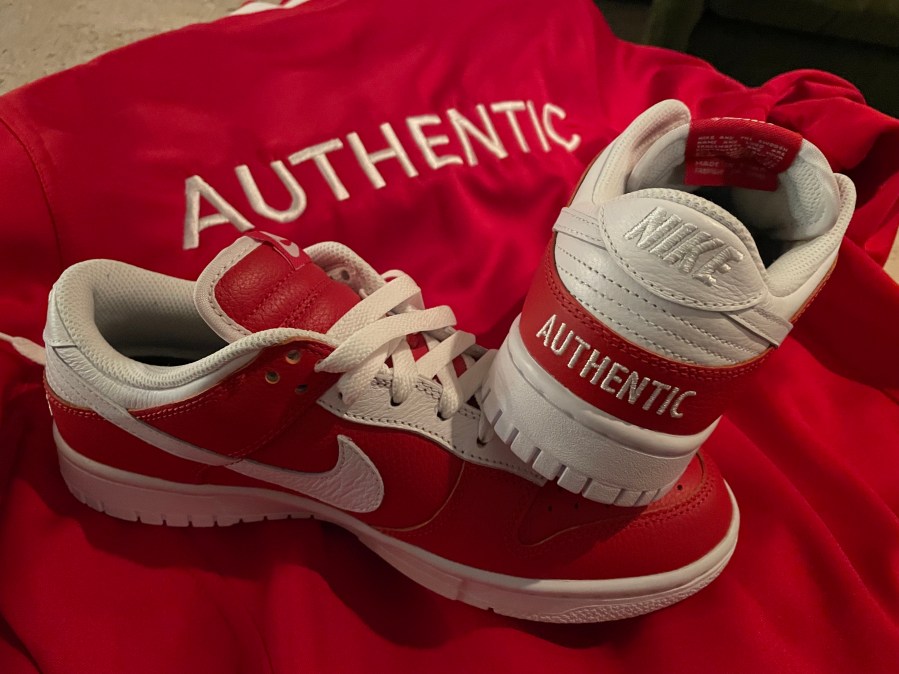
I’ve mentioned before that I’m a bit of a New Year’s junkie. Looking back through the archives, you’ll find a post dedicated to the topic of renewal nearly every January (and a few others sprinkled in here and there at other times of the year). While I tend to take an “agile” approach to personal development, with new Stormy upgrades being released every couple of weeks, I really love the idea of a completely clean slate and dream about what I’d like to achieve in the coming year.
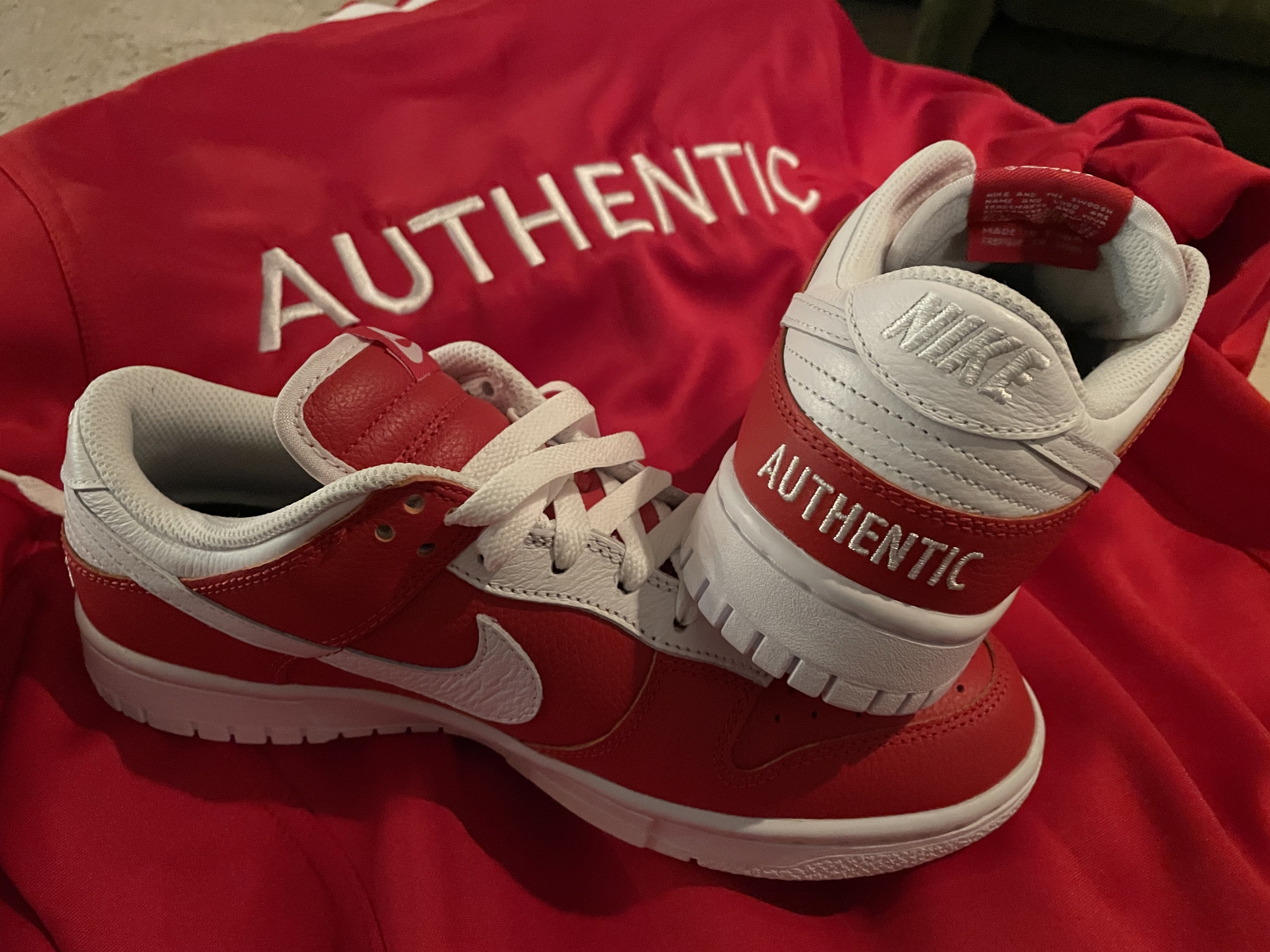
Oftentimes, I approach the new year with an idea or mantra in mind. This year, my goals are centered around a word, and like Merriam-Webster recently chose as its Word of the Year for 2023, I am choosing “Authentic” as my word for 2024.
Merriam-Webster’s choice seems to be in recognition of people’s increasing desire for authentic human connections in a year when AI became omnipresent. I think they are on track with that one. When you start reading AI-generated content, it doesn’t take long to realize that there isn’t a real person behind it. An “AI Assistant” has even been added as a feature to WordPress (the software I use for creating this blog), but let me assure you, since writing is therapy for me, I’ll never outsource this blog to AI… Meanwhile, indulge me by going waaaaay back for a moment, as I explain…
Why I chose authentic
Young Stormy started working at Blue Cross & Blue Shield at the tender age of 18. It felt like I was on an alien planet. To meet the dress code, I wore a skirt, blouse and heels with nylons(!) every day. I routinely interacted with people who had mortgages, kids and high cholesterol. My job duties included a variety of mind-numbing clerical tasks—making photocopies of huge stacks of insurance applications, for example; ultimately culminating in my last position: finding out why people needed health insurance so we could deny them coverage for that very thing. Ha! … Well, admittedly, that may be a cynical explanation of my role as an assistant health history underwriter, but not by much. Needless to say, I hated my job.
While working there, I signed up for various professional development seminars that were offered on our corporate campus (they were free and considered a legitimate way to get out of doing the job that I hated, so…) One of these was for women to learn how to talk so they would be taken seriously in business. I remember the instructor specifically addressing that annoying thing some women do? Where their voices go up at the end of every statement? Making everything they say sound like a question? As though they are apologizing for having a thought and expressing it?
Thankfully, I don’t think nearly as many women speak like that these days—I guess there has been progress made against the patriarchy since the 80s after all. But if you’re my age or older, you’ve experienced that speech pattern before. Anyway, the point I’m trying to make by reminiscing about my early working days is this: A young working woman in the mid-80s was not expected, nor encouraged, to be “authentic.” Far from it. We were encouraged, nay expected, to “fit in.”
- “Fake it ’til you make it”
- “Dress for the job you want, not the job you have”
- “Play the game”
- “Keep up appearances”
- “Never let them see you sweat”
With standards like these, it’s no wonder “imposter syndrome” became a thing.
A shift in the corporate perspective
Nowadays, there’s more of a focus on authenticity in the workplace. Diversity, equity and inclusion (DEI) initiatives have led to greater awareness of the many adaptations (code-switching, passing and assimilation) that my generation took as non-negotiable. Obviously, Stormy trying to fit into a corporate setting as an 18-year-old, American-born, cis-gender, white, middle-class woman didn’t require as many mental gymnastics as some of my colleagues. Over the years, I’ve had coworkers who were gay and closeted, experiencing gender dysphoria, or hiding physical or mental health conditions from their employer, and I wouldn’t wish that kind of daily mental strain on my worst enemy. And I think most people would agree that greater acceptance of diversity is a good thing—but we still have a ways to go.
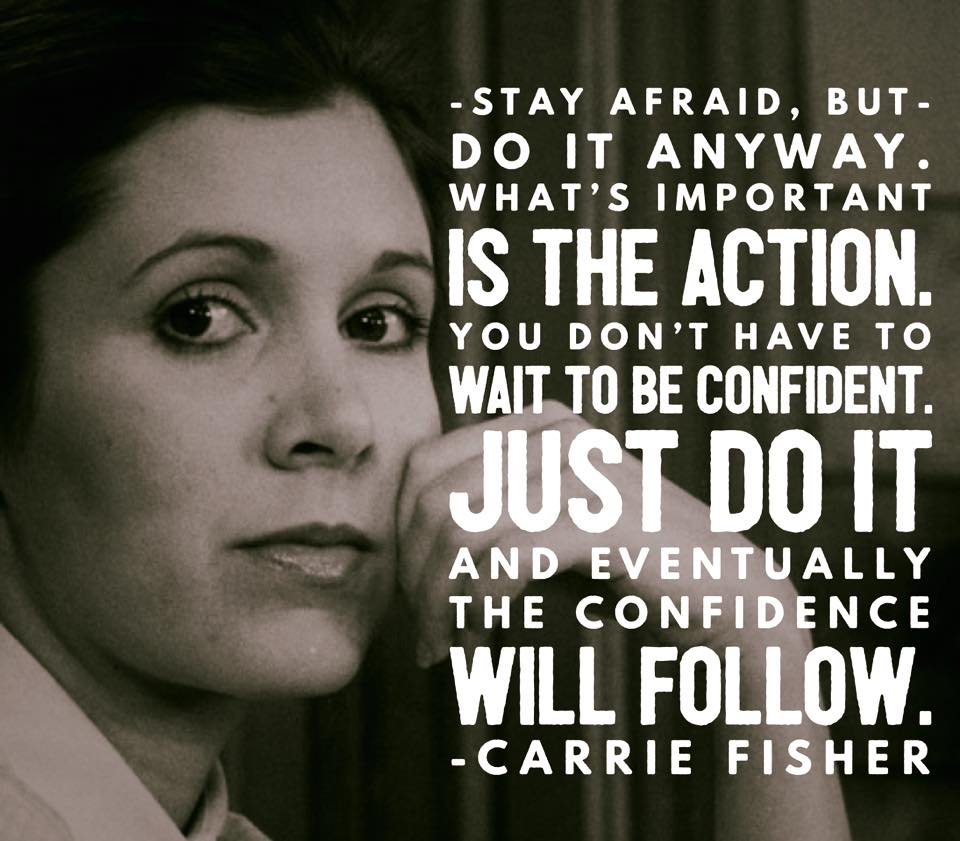
However, while I still have a non-conformist streak in me that 30 years of corporate indoctrination has been unable to squelch completely, I also don’t think every personal expression or preference requires “accommodations.” I draw a distinction between forcing someone with naturally tightly coiled hair to chemically straighten it and expecting someone to not curse excessively in the workplace. (And before my past colleagues chime in to bust me, yes, I’ve been known to curse in the workplace… However, while this may be an authentic trait, it’s not one I’m particularly proud of, so if an employer called me out on it, I would have to agree that it was reasonable for them to expect better language.) Likewise, I hate making small talk with strangers, but it’s an unspoken expectation when talking to clients, so I learned to suck it up and chit chat as required. I guess what I’m saying here is the good side of “fake it ’til you make it” is leaning into things that don’t necessarily come naturally and developing new skills and resiliency as a result… at its best, learning to embrace discomfort promotes personal growth.
So back to my story…
At some point in my 40s, I finally had enough confidence in my own professional competence to relax and let my authentic self show through a bit more. At that point, I knew stuff. I was good at my job. I had made up for my initial educational deficiency with a bachelor’s degree, an MBA and an assortment of certifications. I had managed work teams and million-dollar budgets. I could finally “own” my authenticity, right?
Well, for a decade, I did just that. However, the last several years, I found myself facing a new problem—one that was the opposite of the issue I faced in my youth. As a job-seeker in my 50s, I was now in the uncomfortable position of trying to downplay my experience (so as to indirectly downplay my age). This was causing a bit of cognitive dissonance: On the one hand, I was ready to fully “own” my history, and on the other, I was painfully aware that age discrimination is real. And hiring within my chosen field (Marketing) is even more youth oriented.
Keeping my resume to two pages was difficult. While some experience was obviously obsolete (press check, anyone?), whole jobs—even one where I was the department head by the time I left the company—were omitted due to them being too long ago. In casual networking conversations, I dreaded the question “How old are your kids?” Peers with teenagers would look baffled when I confessed that two of my three kids were in their 30s. Starting my family early means that I now have more time and energy to devote to work and, when it comes to technology, my skills are light years ahead of my “digital native” children. Nonetheless, I couldn’t find roles comparable in pay or responsibility to those I previously held. Despite feeling 33 inside, during interviews with younger executives, I felt like a relic. And an expensive one at that. Like Adam & Eve’s pizza cutters… queue the Antiques Roadshow!
That’s why I was happy to find a new job situation last year with a professional services firm. Suddenly, my years of experience were regarded as an asset again, not a liability. I no longer felt as though I would be penalized for being authentic. I could breathe again.
Who is Stormy?
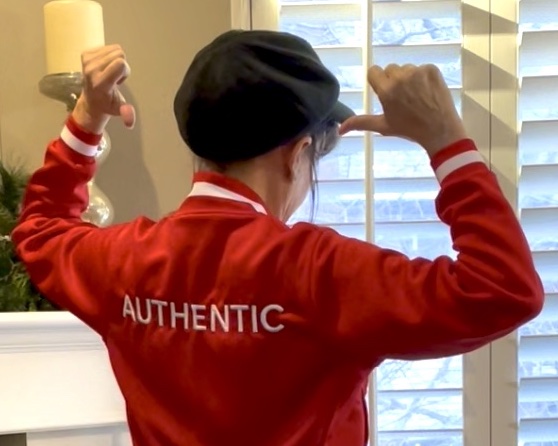
So, as I look to the year ahead, I can finally figure out who I authentically am—and who I authentically want to be—without worrying about anyone else’s impressions, expectations or judgement. And, given my fondness for New Year’s resolutions, a bunch of ambitious goals have emerged from those two questions, “Who are you? And who do you want to be?” (For example, someone who is healthy, active, spiritually grounded, creative, etc., etc., etc.) So, while I’m not trying to boil the ocean and don’t plan to achieve my personal version of nirvana all at once, 2024 will be about moving closer to my ideal self. And my blog posts will probably reflect this larger theme, as well. But I promise you that I’ll share my adventures, observations, and defeats in addition to my successes 🤞🏻, in the spirit of keeping it all “authentic.”
Postscript: It’s not lost on me that I’m writing about authenticity on a blog that was created under a pseudonym! But in Stormy’s case, authenticity comes with some inconsistency—that’s what makes life interesting, after all! (All things in moderation…even moderation.) 😉


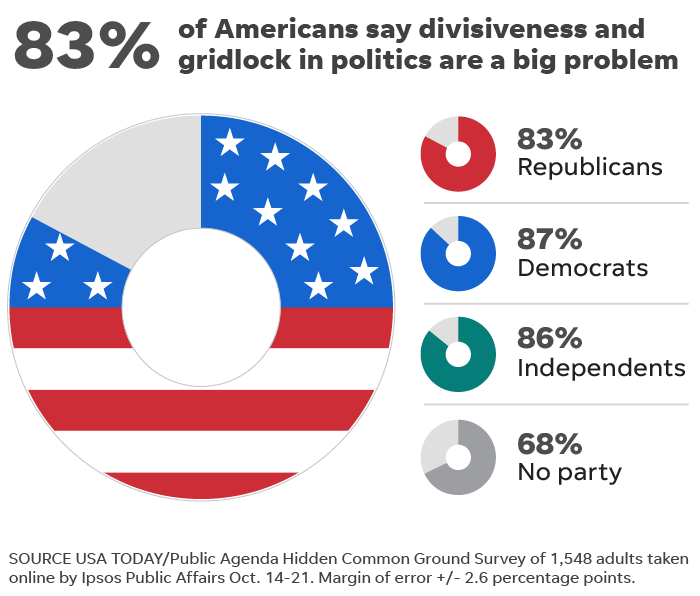
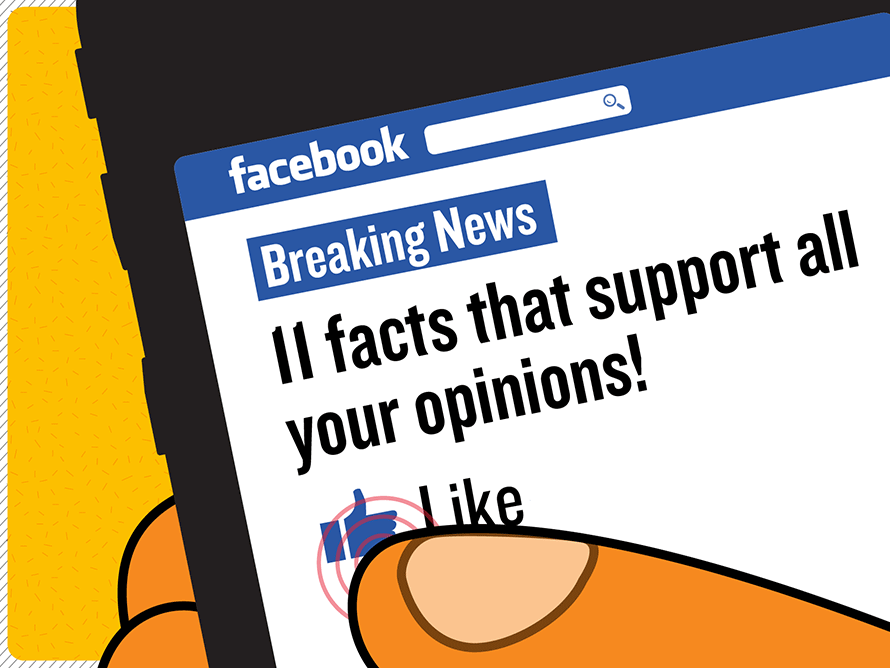 Given our contentious political climate, I expected lots of push-back from my post, but I didn’t get any comments from Trump supporters. This was disappointing, since I was interested in understanding their perspective. My social following tends to include many like-minded people (what Republicans would call the DNC Echo Chamber), so it’s not surprising that I did hear from numerous liberals. They nearly all agreed with my overall assessment of the situation and expressed a similar feeling of helplessness about how to reason with people who were supporting 45 in light of so much damning evidence against him.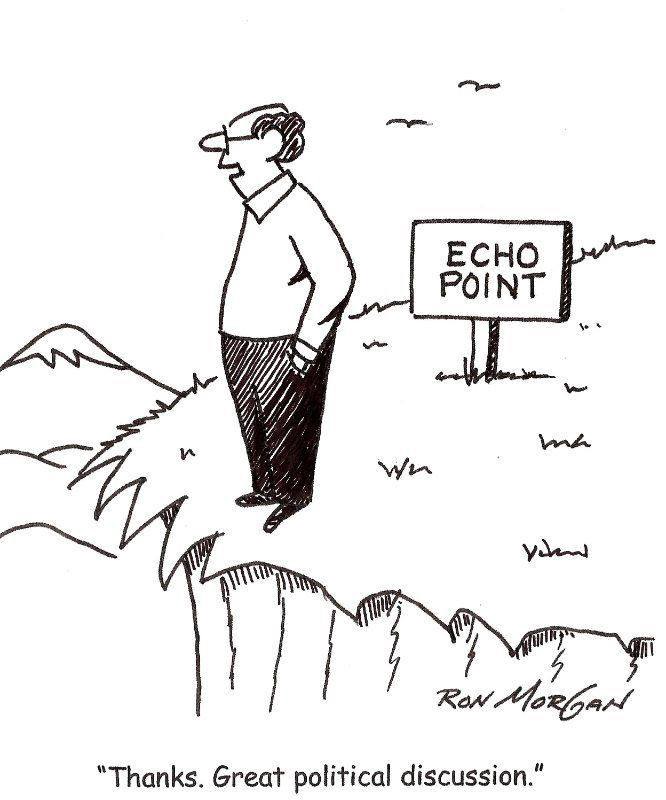

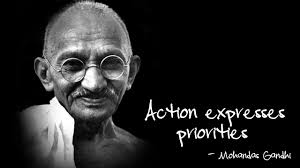 I think we all inherently understand that others have to prioritize their beliefs. You could take any issue Democrats collectively care about: immigration, healthcare, climate change, gun control, etc., and you would find the same varying levels of support and prioritization among voters. For example, it makes sense that the face of climate change, Greta Thunberg, is a 16-year-old activist. Her generation will have to live with devastation that won’t as directly impact your average retiree.
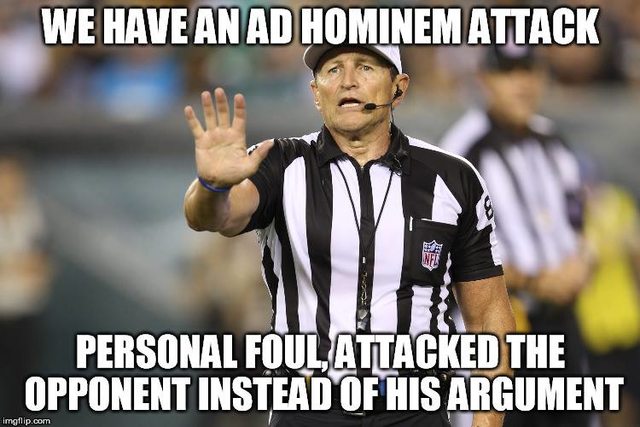 For example, while Democrats brand themselves as the compassionate party—the ones who are tolerant and care about others—many Republicans reject that branding because it goes against what they have experienced in their conversations at Thanksgiving Dinner or while scrolling through their Facebook feed. They see widespread condemnation of anyone who voted for Trump and consider the Democrat’s self-branding as the caring, tolerant party to be the height of hypocrisy.
 After all, if we’re going to live in a democratic society, we have to trust in the process. That means sometimes Democratic priorities will move forward and other times Republican priorities will prevail. At the same time, we still have a duty to protect the democratic process—so keep the spotlight on Trump’s impeachable offenses and on the victims of his policies. But do it without implicating or condemning those who—in their minds—were just choosing the lesser of two evils when they voted him into office. Even if you believe they deserve that condemnation, it simply won’t move us toward the end game of getting rid of Trump. So, with the new election year just a couple of short weeks away, we need to ask ourselves: Is it more important to get Trump and his minions out of office or is it more important to “punish” family and acquaintances that voted for him?

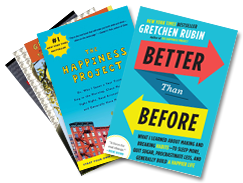
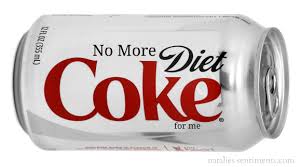 When I left that job, I was unemployed for a while and quickly got over the need for my 2 p.m. caffeine jolt. However, on my first day with my current employer, I found myself in the breakroom at 2 p.m., dollar bill in hand (no subsidized vending machine there!) and as I was about to slide my money into the slot, I asked myself, “What am I doing?” Here I had successfully broken myself of a habit that was unhealthy and I nearly resumed it based on…what? A habit? A memory? I made a conscious decision NOT to buy the pop and have consumed very little since then—about 10 cans a year vs. the previous 60 or so.
 This remembrance inspired my resolution for 2016. What could I accomplish by simply making different choices? I was reading







 Easier Said Than Done